EVALUATION AND LEARNINGEvaluate Government policies, programs, and projects to draw lessons for informed decision-making OFFICE OF THE SPECIAL ADVISORProvide independent coverage on the status of projects implementationNATIONAL MONITORING UNITMonitoring of Government Policies, Programmes and Projects RAPID RESULTS INITIATIVESpearhead the implementation of the Rapid Results 100-Day Cycle Programme.
Our Motto
Woking together for
improved socio-economic
development outcomes'
Vision
A results oriented
department with a
culture of quality
service delivery for all
by 2030
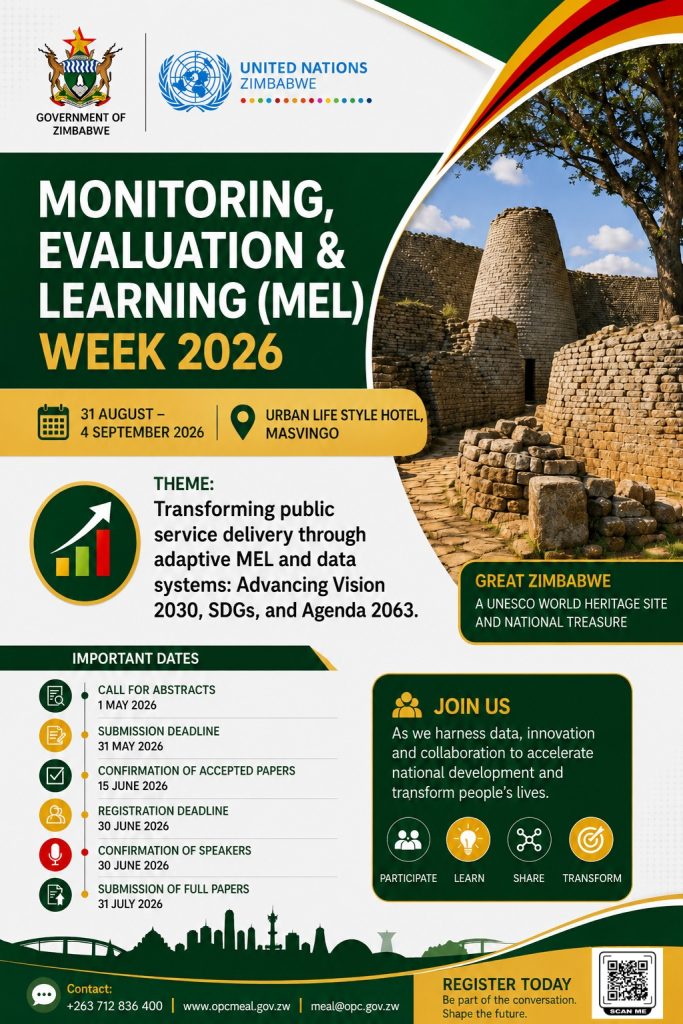
National Monitoring, Evaluation and Learning (NMEL) Week 2026.
For Registration, please have the following information ready.
Prepare a passport size photo for uploading (.jpg / .png format ONLY with Plain Background).
Ensure that your abstract is ready and handy for uploading.
Have your ID or Passport Bio-Data page ready for uploading (.pdf / .jpg / .png / .jpeg format ONLY)
CALL FOR ABSTRACT
The Government of Zimbabwe, in collaboration with the United Nations Country Team (UNCT) Zimbabwe, Academia, and Voluntary Organizations for Professional Evaluation (VOPEs), is pleased to announce the inaugural Monitoring, Evaluation and Learning Week 2026. Abstract submissions are invited for paper presentations, roundtable discussions, and infographic presentations.
Carefully review the Concept Note to ensure your submission aligns with the thematic focus and objectives. All abstracts must strictly follow the Abstract Guidelines provided. Submissions that do not adhere to the prescribed format, length, and style requirements will not be considered.
Please prepare your abstract in accordance with the guidelines and submit it through the designated portal before the deadline of 30 May 2026.
Selected abstracts will be notified by 15 June 2026
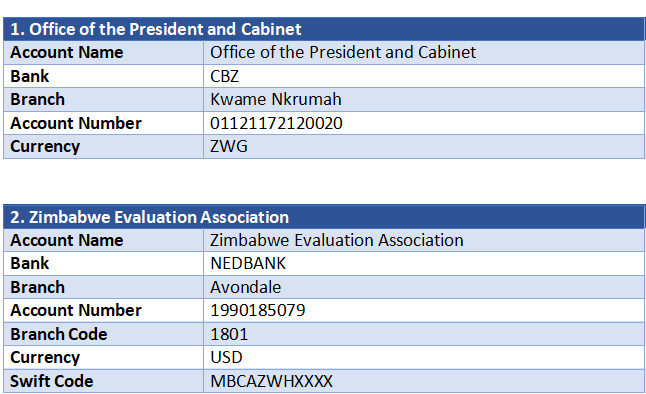
Banking Details
About
National Monitoring, Evaluation and Learning.
Housed within Zimbabwe’s Office of the President and Cabinet, the department is mandated to ensure government policies and programmes are effectively implemented through evidence-based monitoring and evaluation. It tracks progress, measures results, and provides advisory insights to improve decision-making and accountability. NMEL also promotes learning from implementation experiences, strengthens M&E capacity across ministries, and manages national data systems—supporting transparent, results-driven, and evidence-informed governance.
Key functions
The Core functions tied to the mandate include:
Rapid Results Initiative
National Monitoring Unit
Evaluation and Learning
Advisory and Research Services
Spearhead the implementation of the Rapid Results 100-Day Cycle Programme. ⚫ Monitor and report on implementation of Rapid Results priority projects. ⚫ Oversee the data inputting and analysis on the E- enabled Rapid Results System. ⚫ Facilitate publicity on performance of programmes and projects ⚫ Capacitate focal persons on RRA and EED end users.
Monitoring of Government Policies, Programmes and Projects ⚫ Coordinate Thematic Working Groups (TWGs) and M&E Joint Review Meetings ⚫ Coordinate the Development of M&E Frameworks aligned to Vision 2030 ⚫ Monitor inputting of M&E data at National, Sector and MDA levels into the e-enabled system ⚫ Tracking and analysing the Implementation of Party Resolutions by MDAs ⚫ Monitor the Implementation of Cabinet Decisions by MDAs ⚫ Performance oversight of assigned parastatals (Food and Nutrition Council (FNC) and Radiation Protection Authority of Zimbabwe (RPAZ)) ⚫ Coordinate the implementation and monitoring of the Zimbabwe United Nations Sustainable Development Cooperation Framework and other Development Partners in Zimbabwe and its alignment to National Priorities and Sustainable Development Goals (SDGs).
Evaluate Government policies, programs, and projects to draw lessons for informed decision-making ⚫ Promote evaluation culture in MDAs ⚫ Capacitate MDAs on evaluation skills ⚫ Review and process evaluation reports from MDAs ⚫ Conduct research in Evaluation ⚫ Conduct Evaluation Benchmarking against regional and international standards ⚫ Promote Community of practice in Evaluation ⚫ Adopt modern approaches and tools in Evaluation ⚫ Develop and analyse M & E electronic systems ⚫ Capacity develop staff within the department in ICTs ⚫ Oversee the utility of electronic systems ⚫ Ensure proper data management
Provide independent, evidence-based advice concerning programmes and projects implementation status countrywide. Provide independent coverage on the status of projects implementation Conduct research on issues that have a bearing on programmes and projects implementation. Produce advisory reports briefs and minutes Collaborate and interface with Ministries, Departments and Agencies (MDAs) and relevant stakeholders on socio-economic developmental issues. Facilitate communication and information flow for external and internal stakeholders.
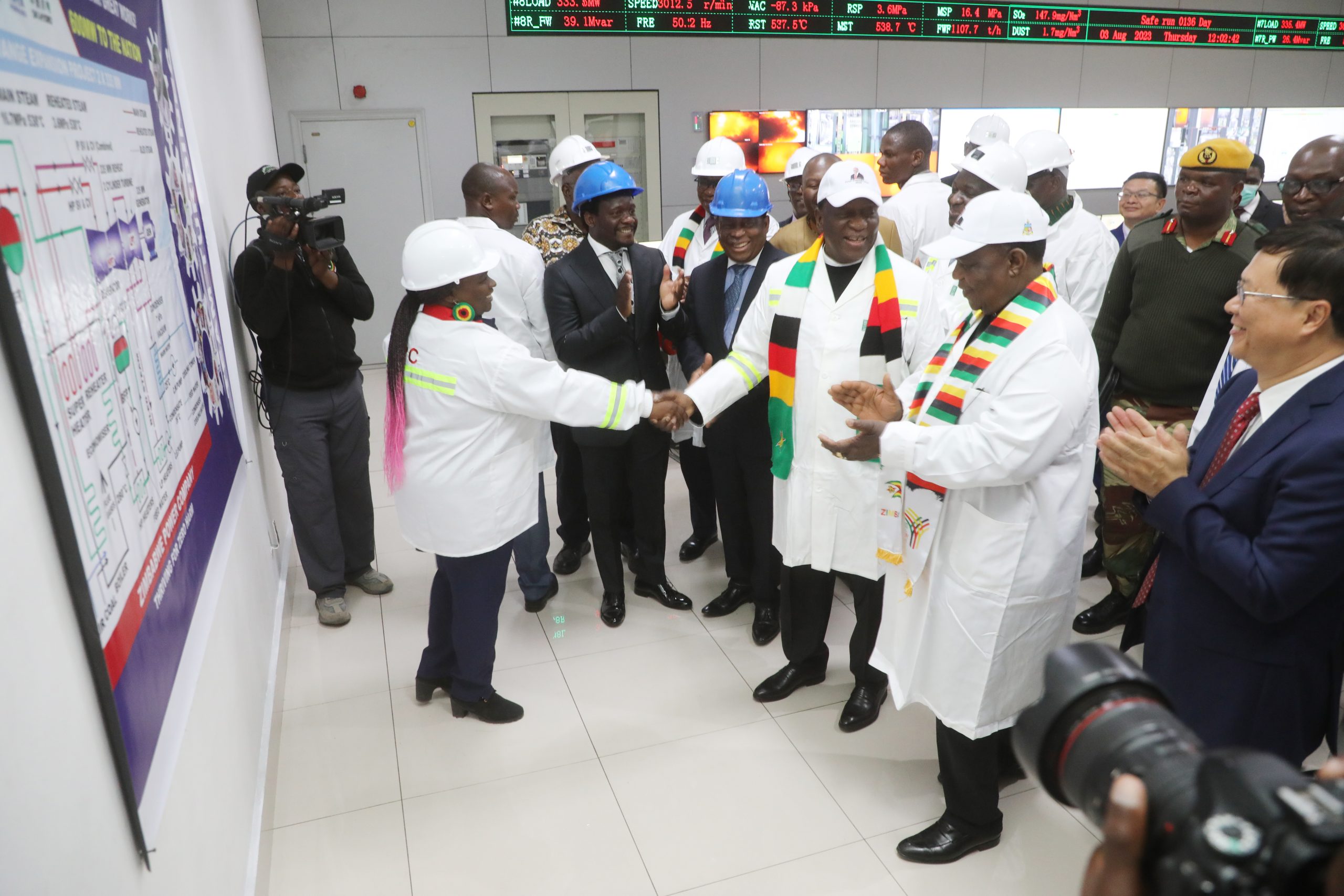
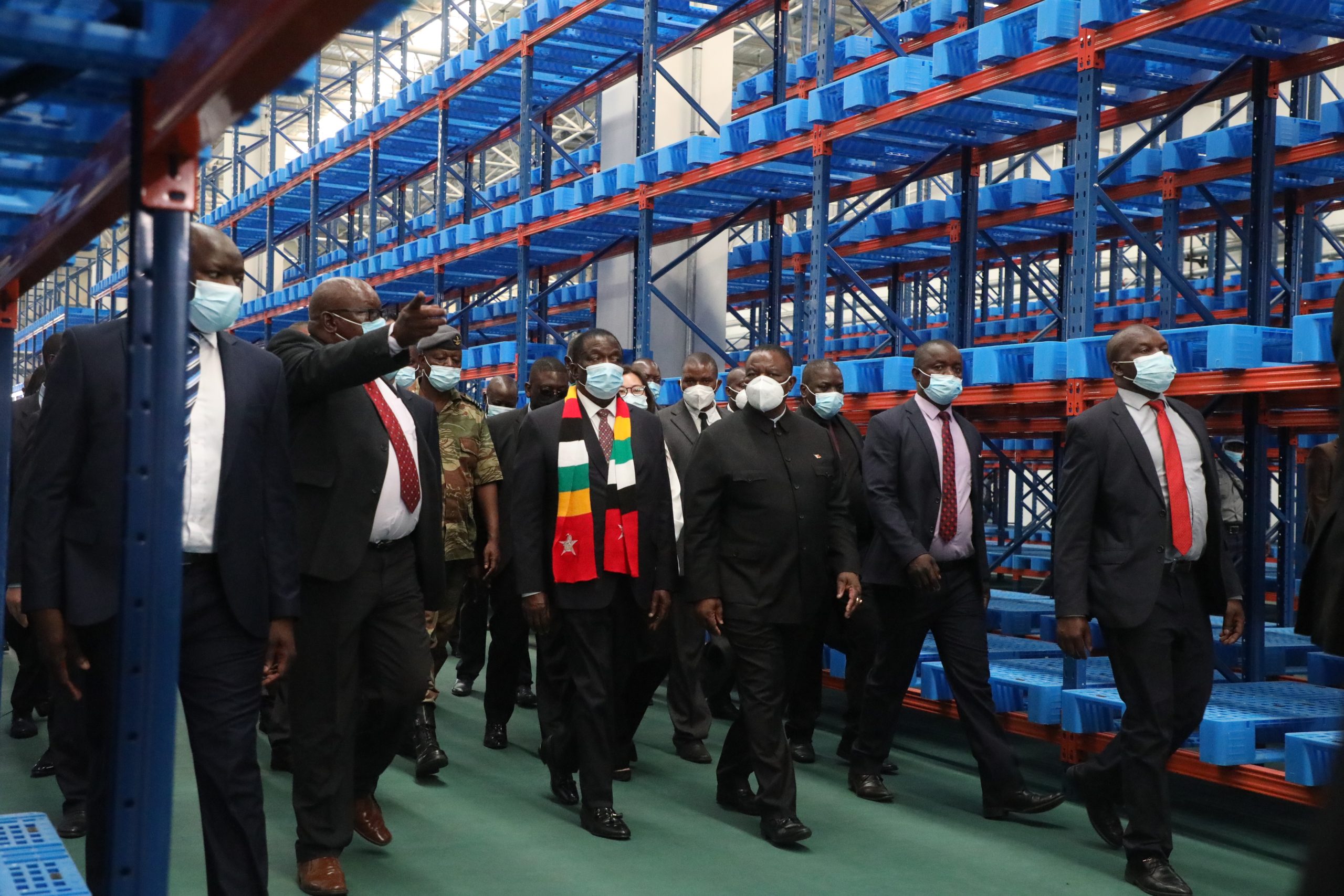
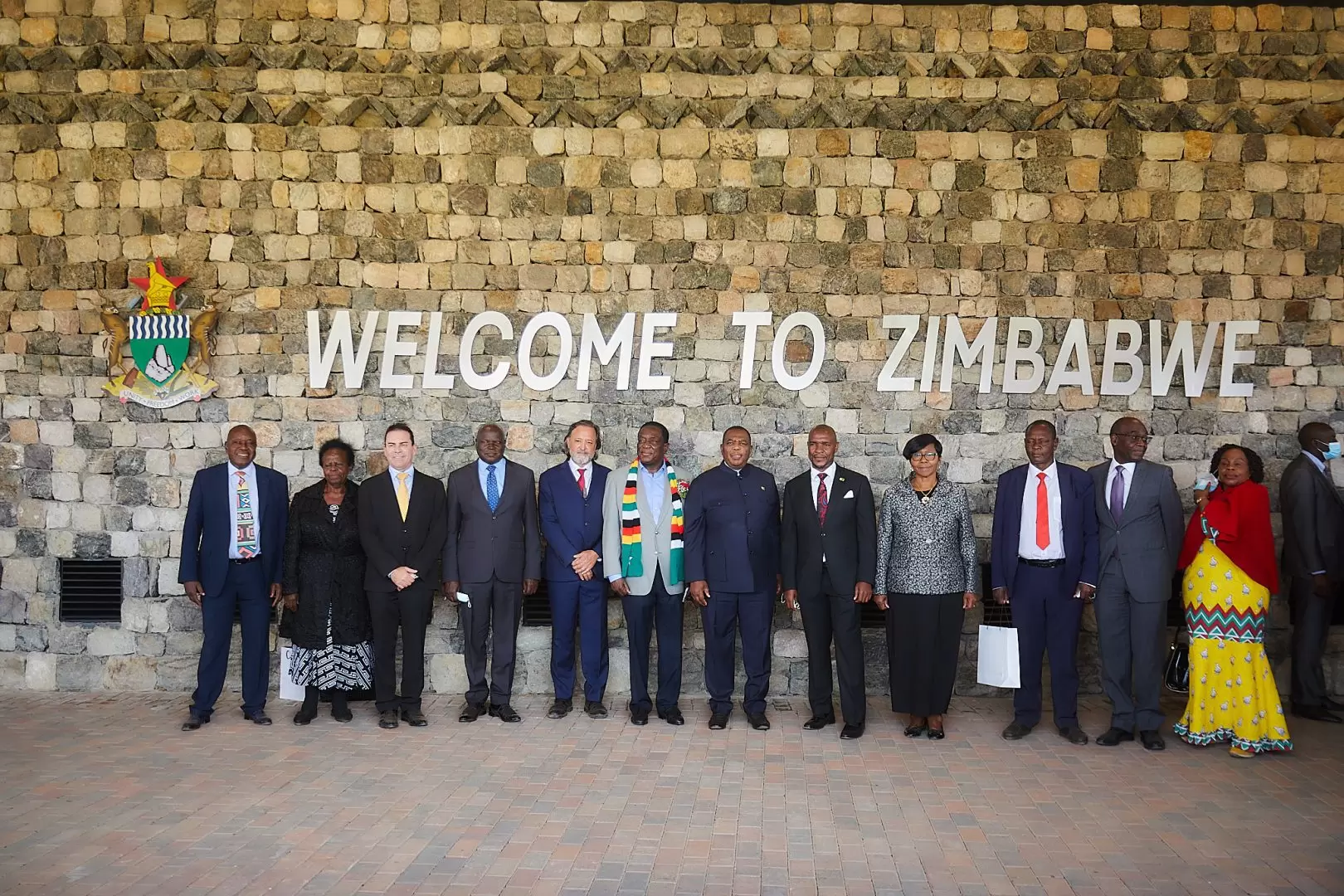
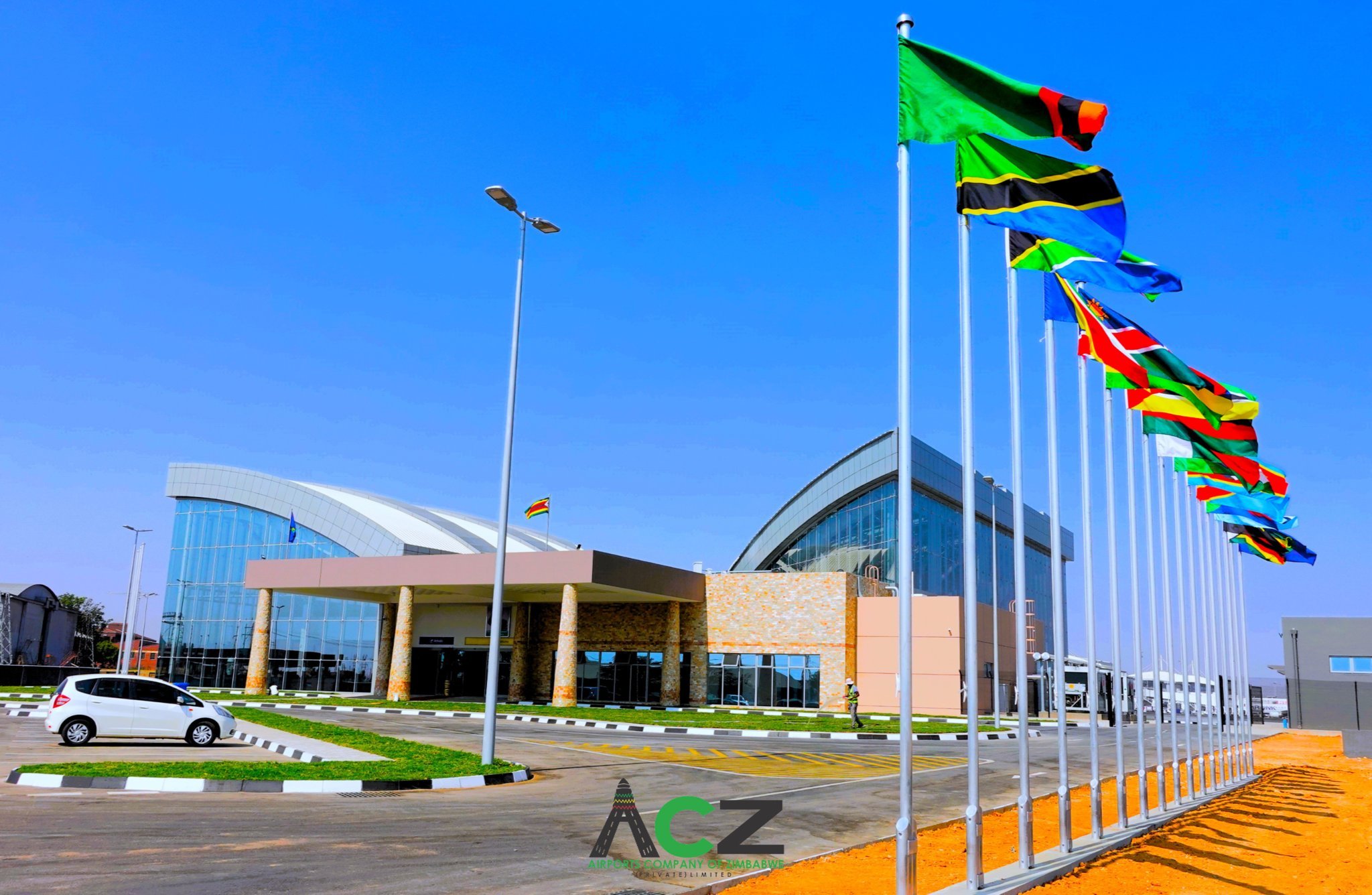
Projects Summary
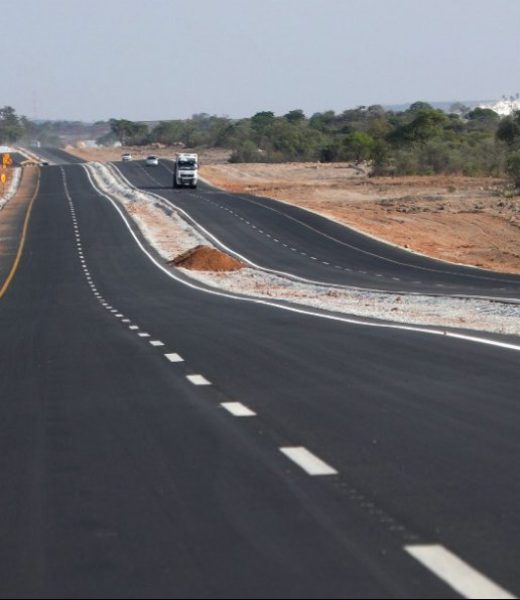
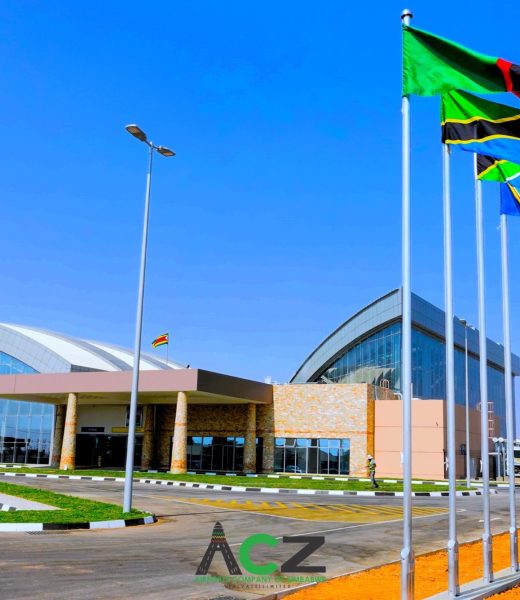
Zimbabwe is actively implementing major national development projects aimed at modernising its infrastructure, boosting food security, and driving economic growth.
Consultio comes with a beautiful collection of modern, easily importable, and highly customizable demo layouts. Any of which can be installed via one click.